Price-conscious UK shoppers
Think Waitrose is expensive
Understand that higher prices protect better standards
Showing the people, farming and care behind every price
UK shoppers are comparing Waitrose to cheaper supermarkets and questioning why they should pay more. On the shelf, price is the only number they see.
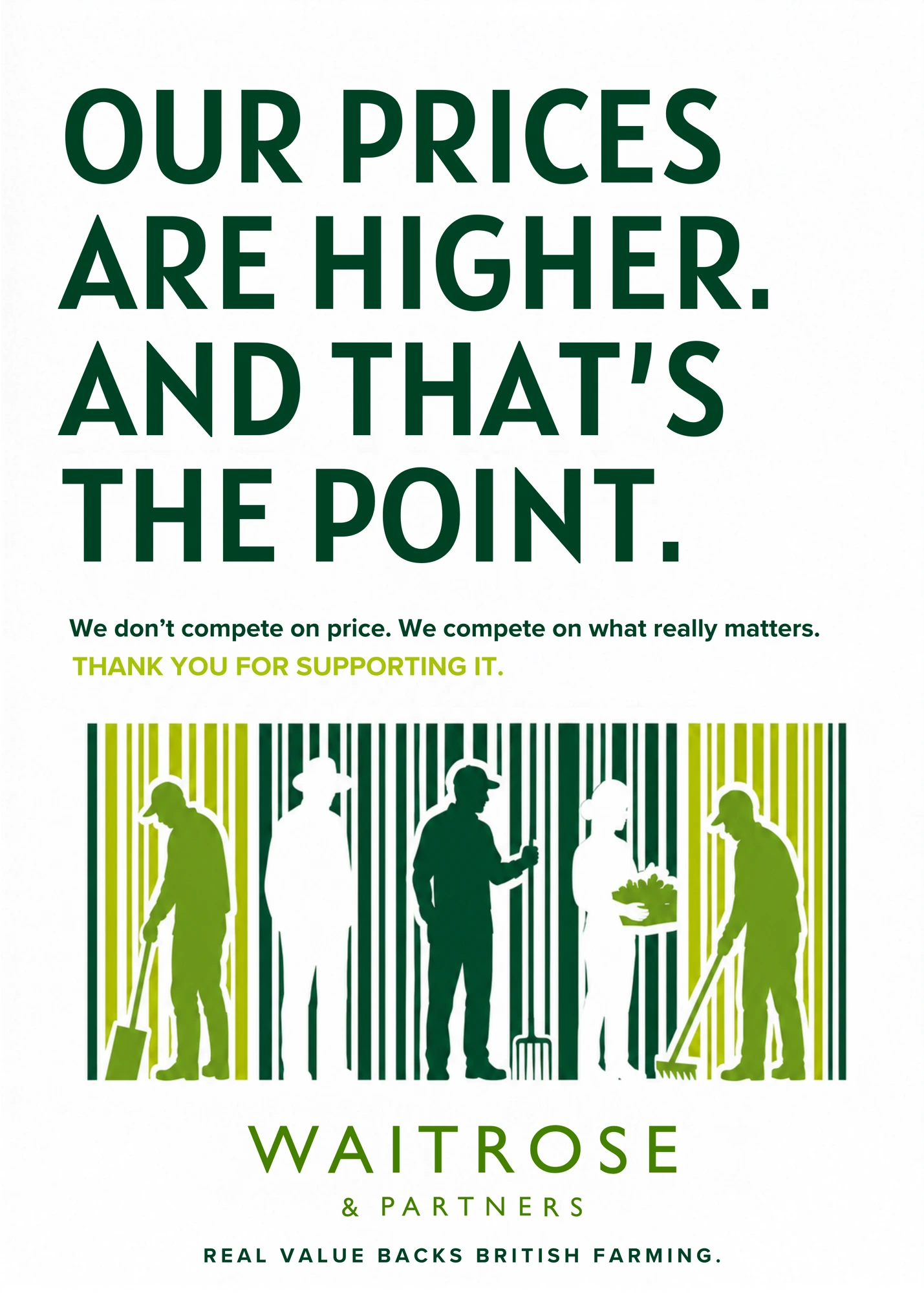
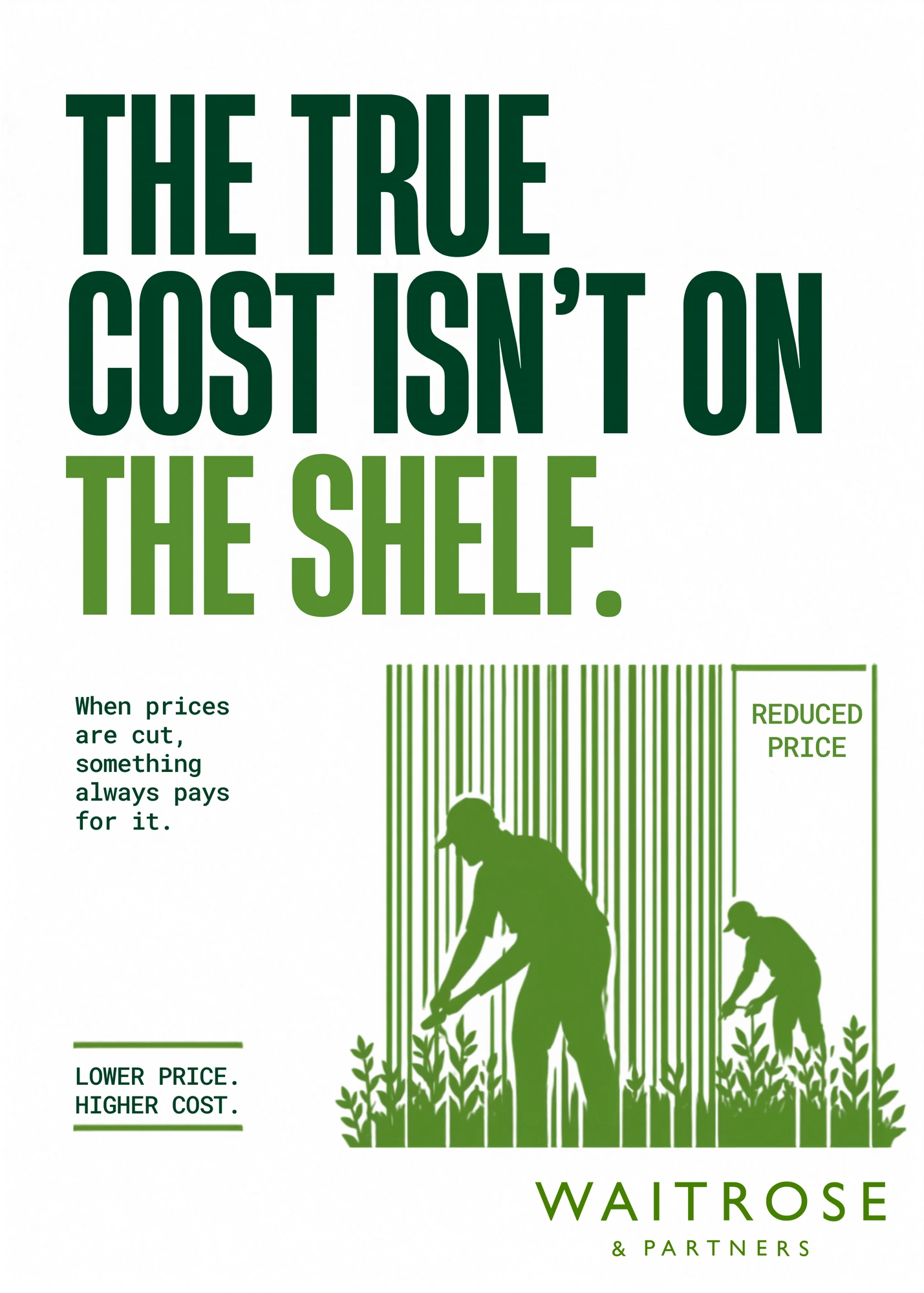
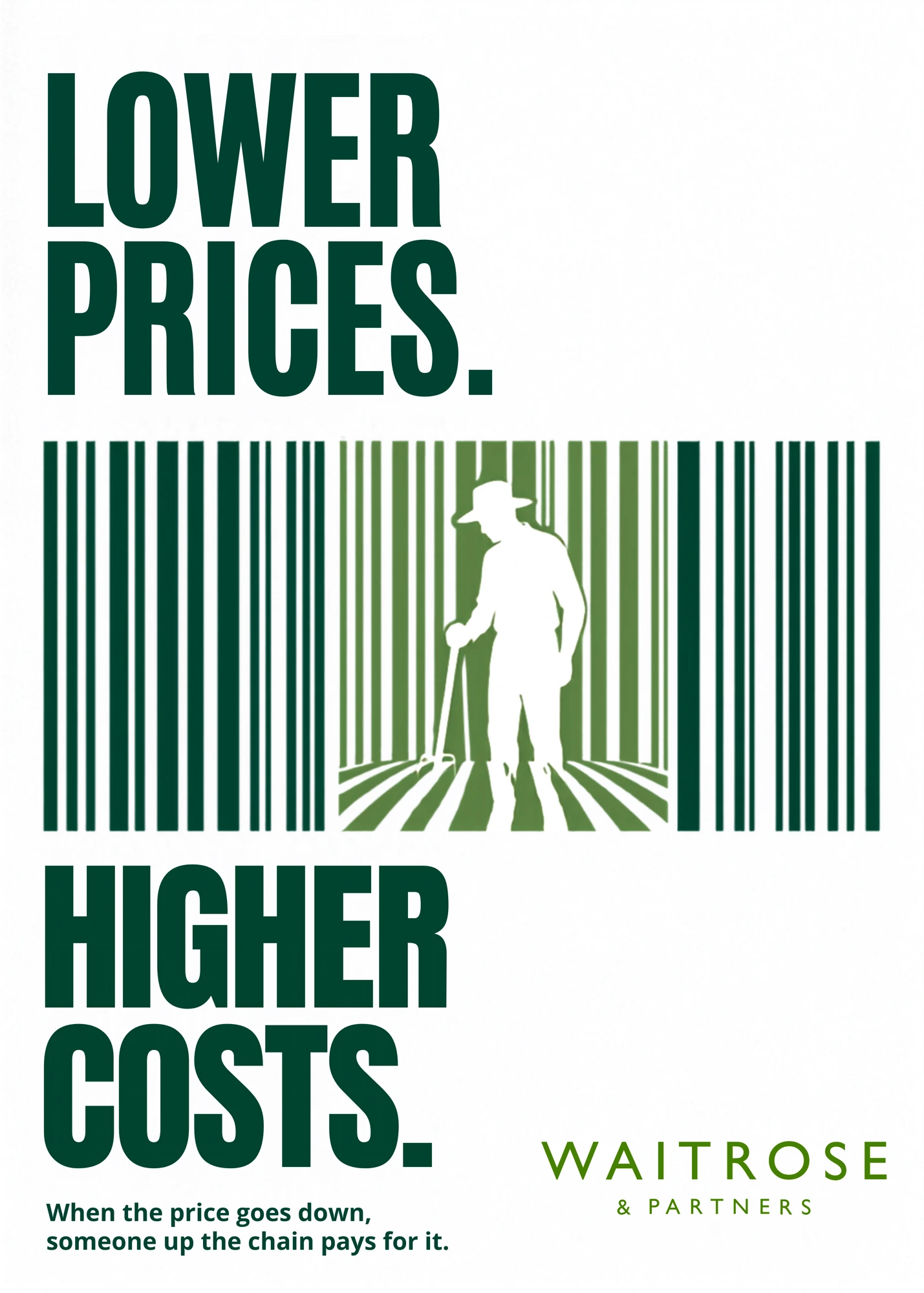
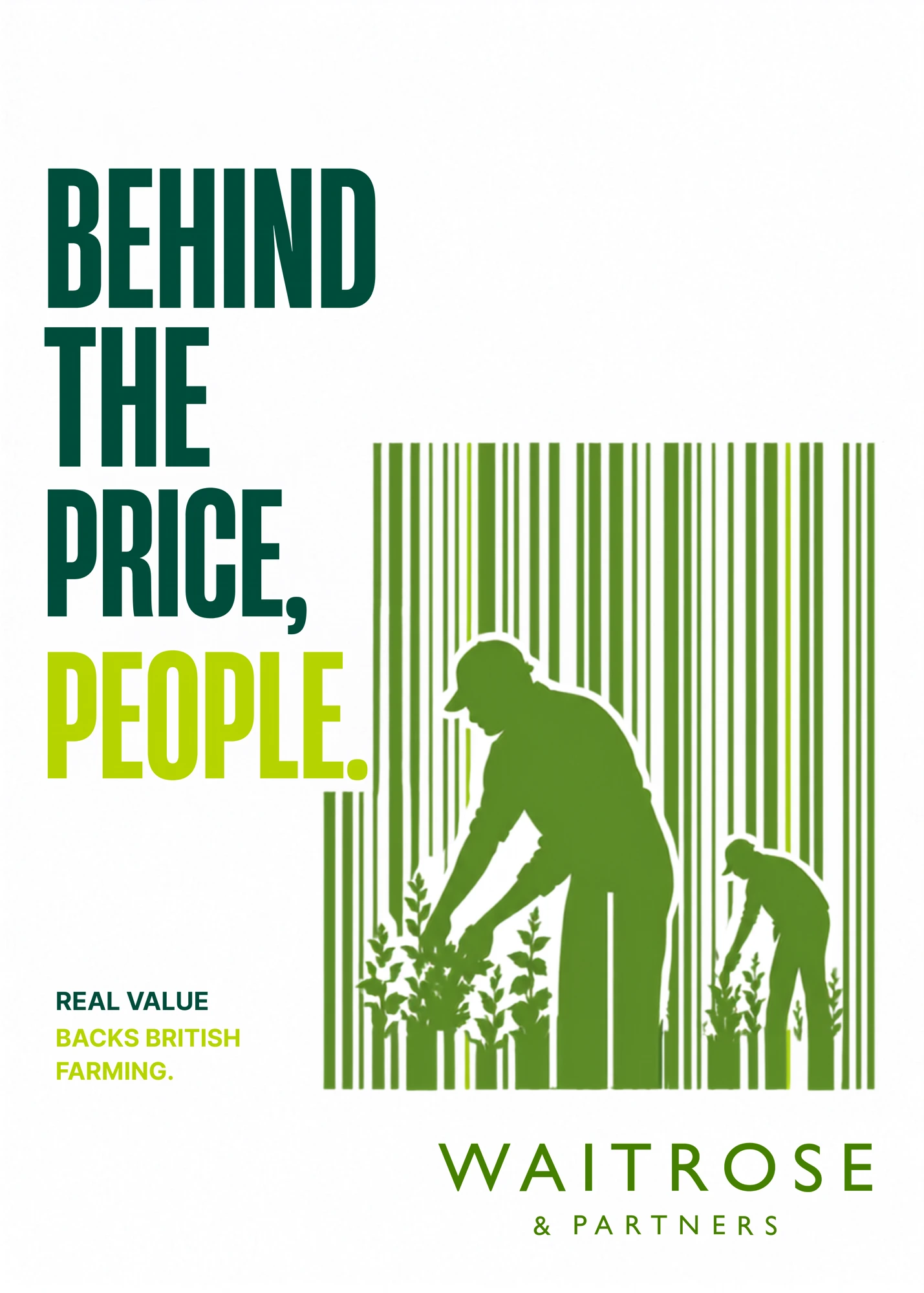
Cheap food hides the real cost. When prices are pushed down, the cost does not disappear. It moves backwards through the chain — onto farmers, workers, welfare standards, ingredients and food quality. So Waitrose is not just charging more. Waitrose is choosing not to cut the things that make food better.
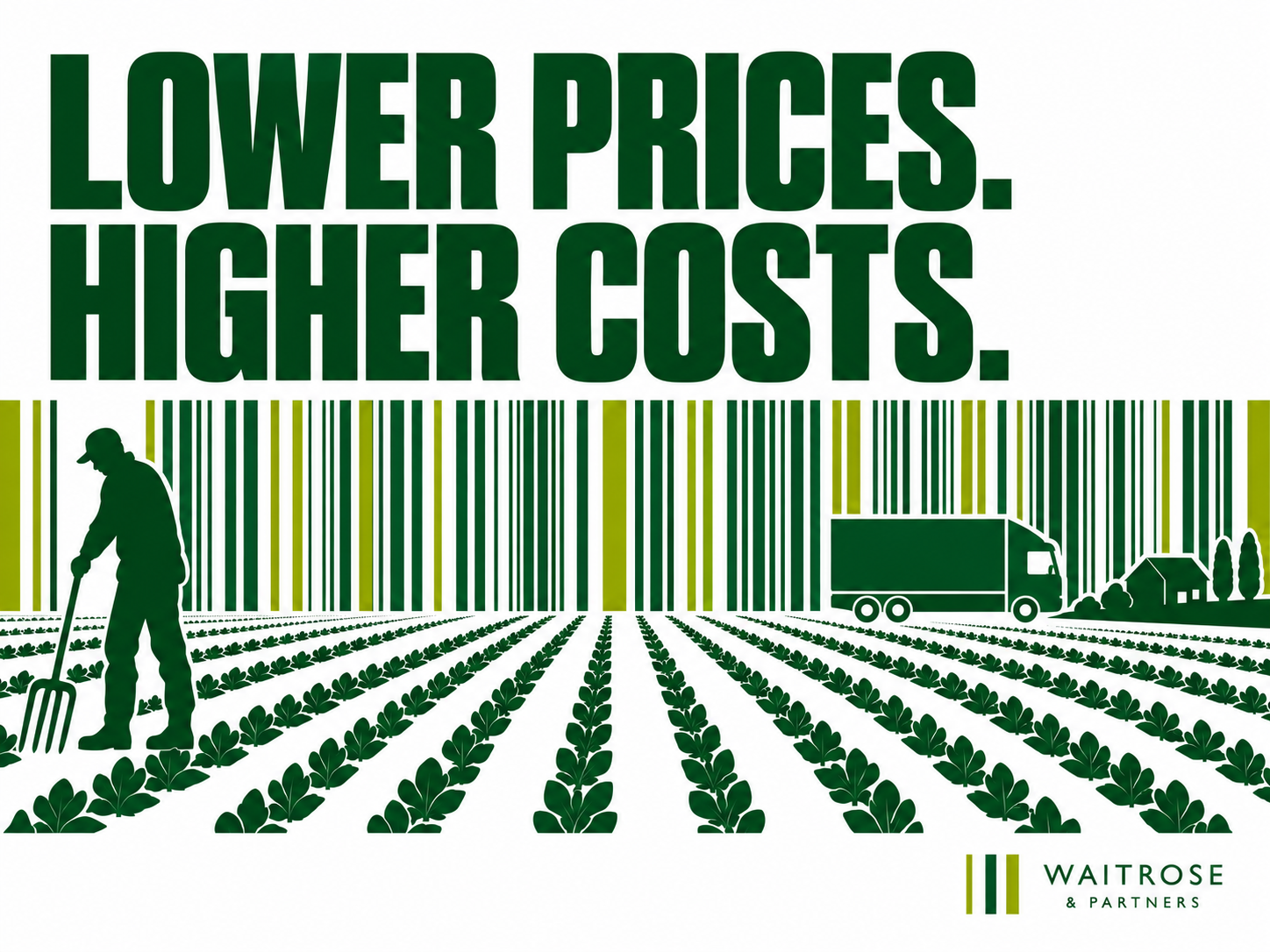
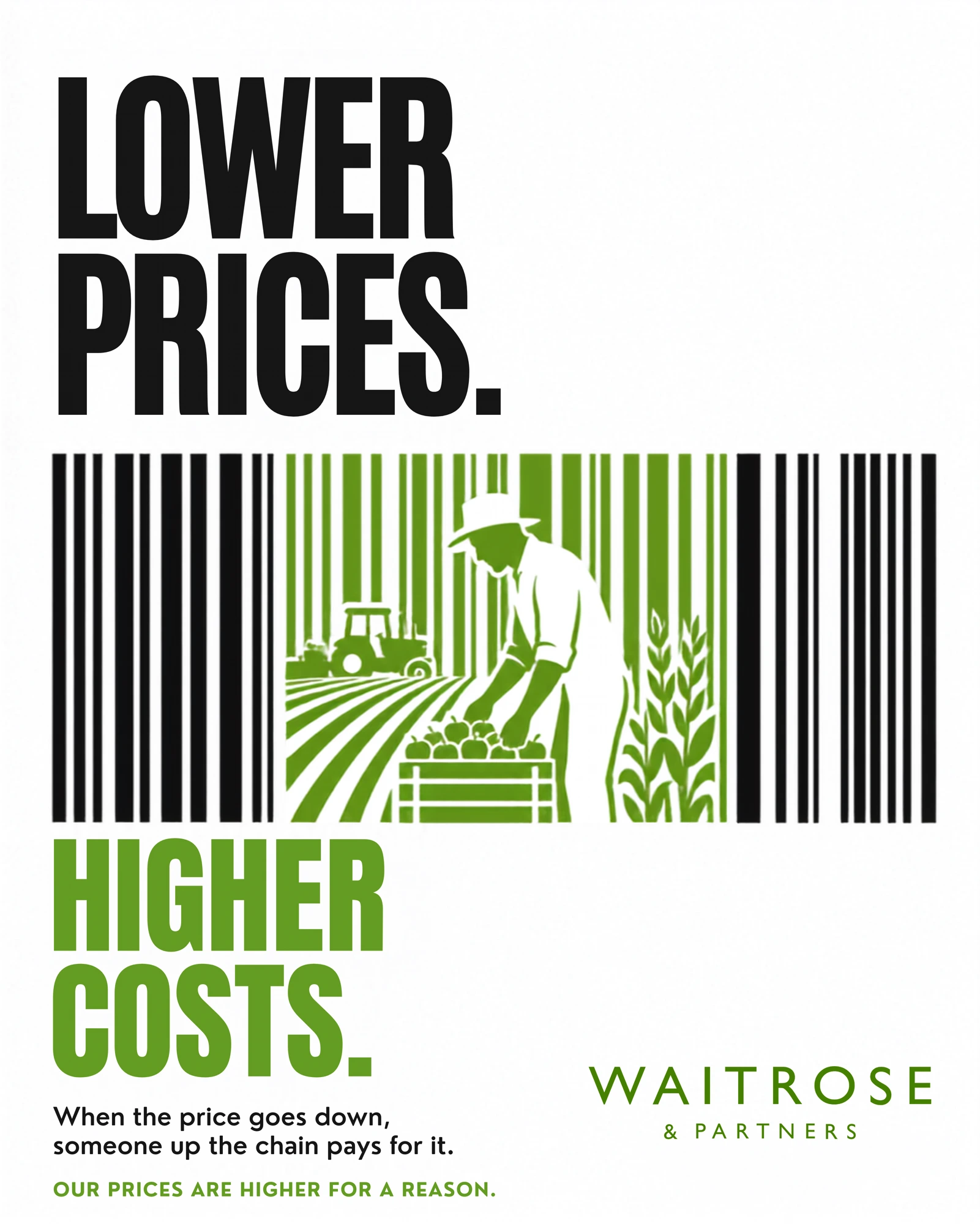
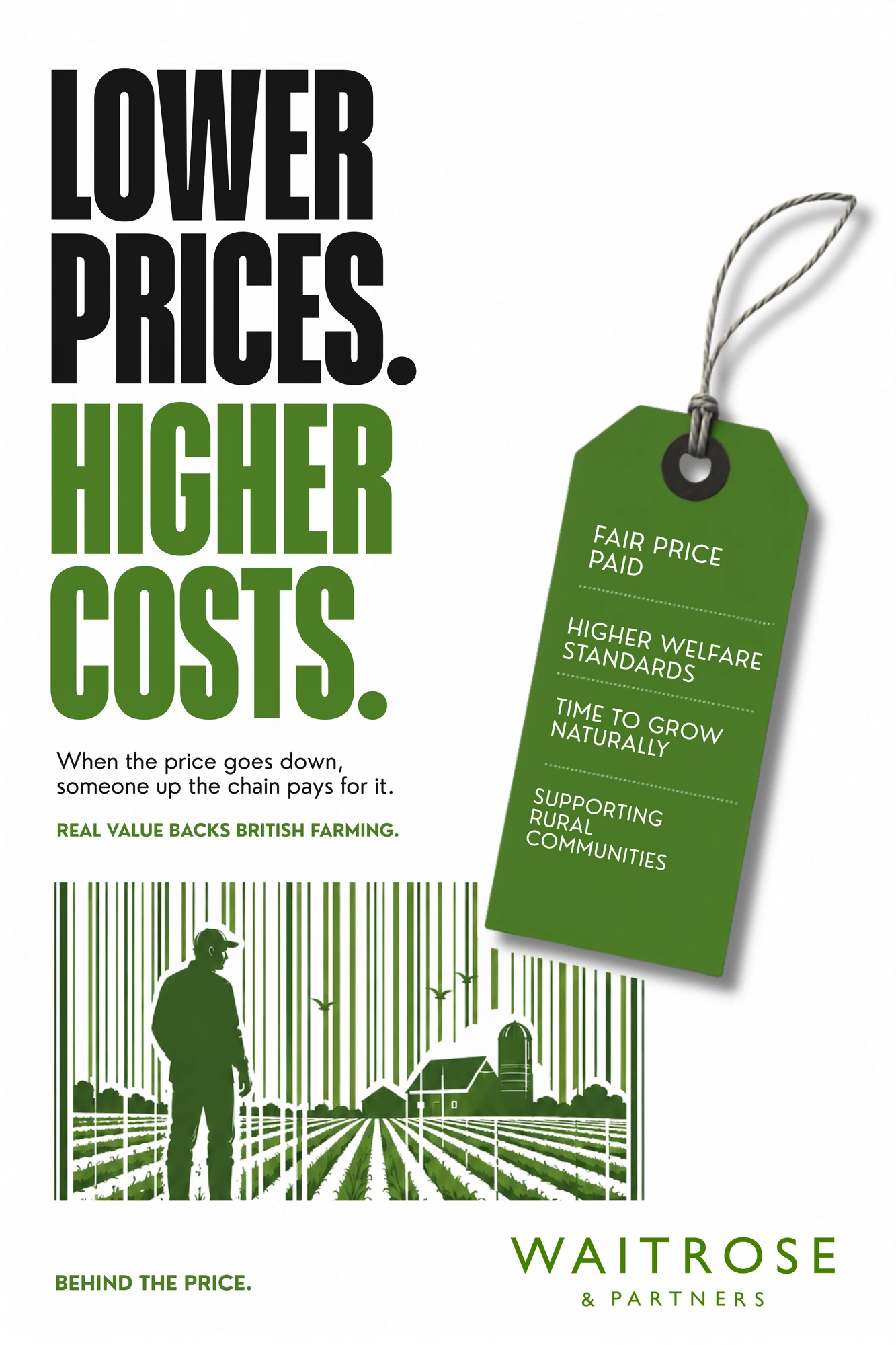
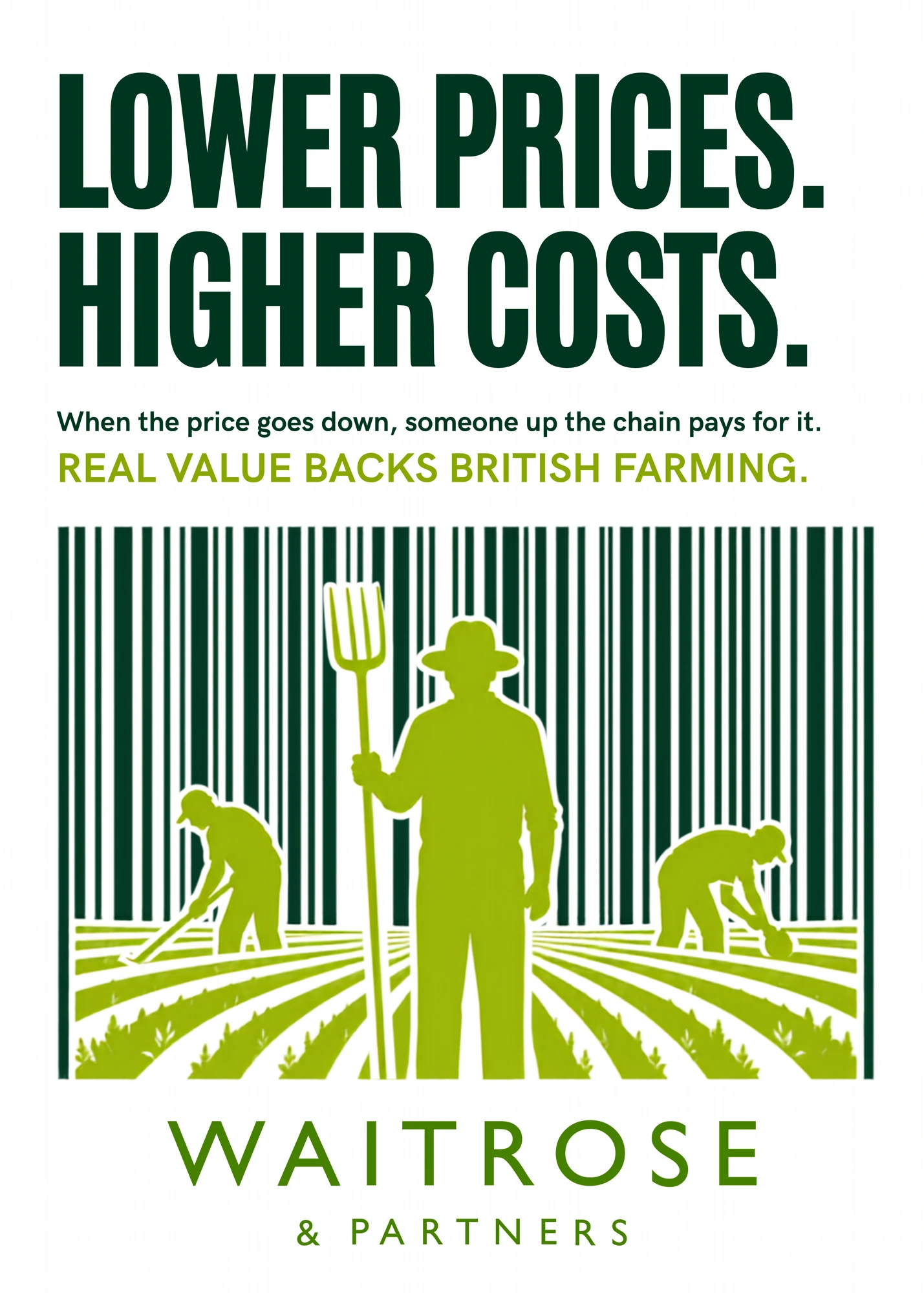
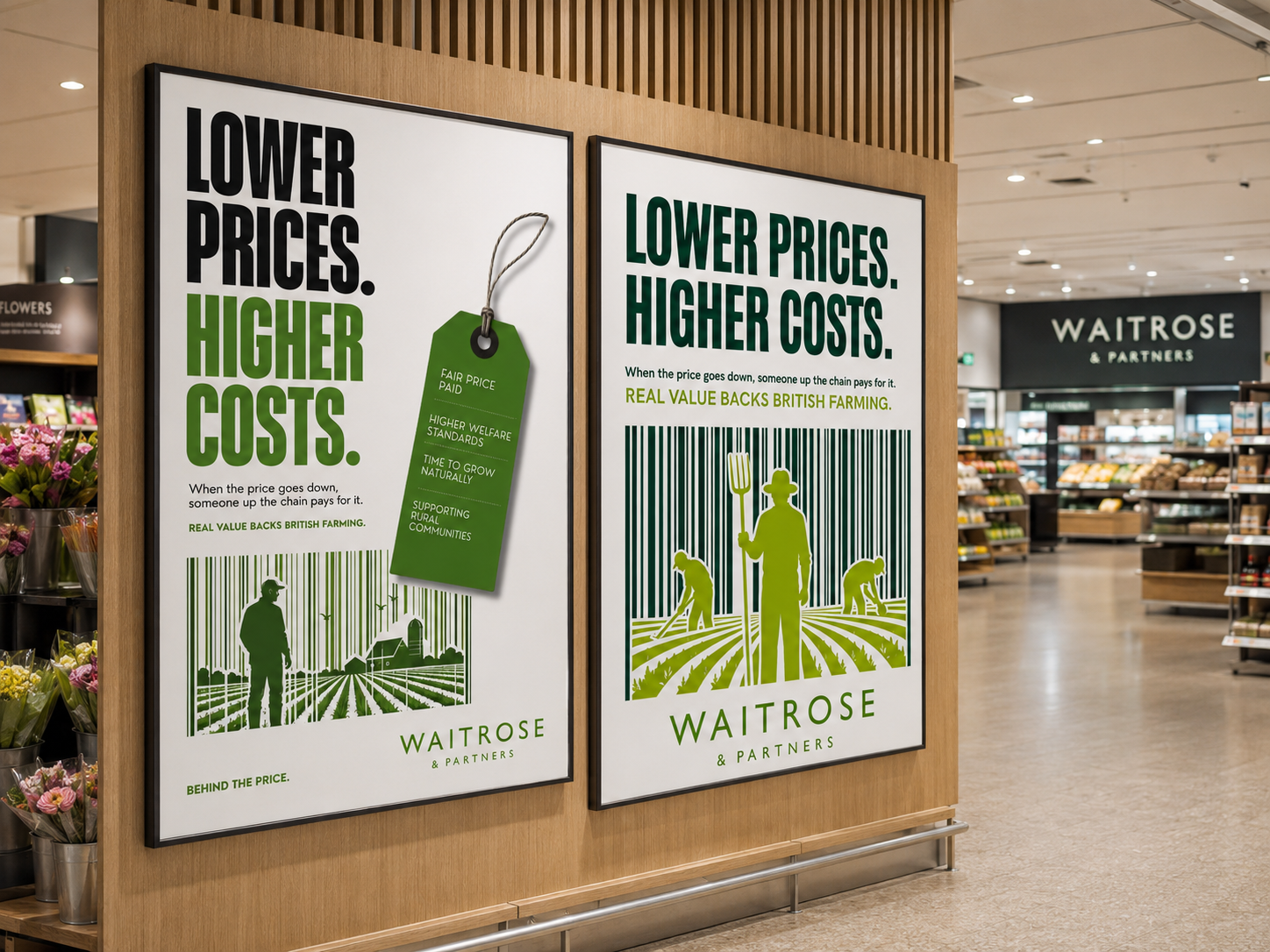
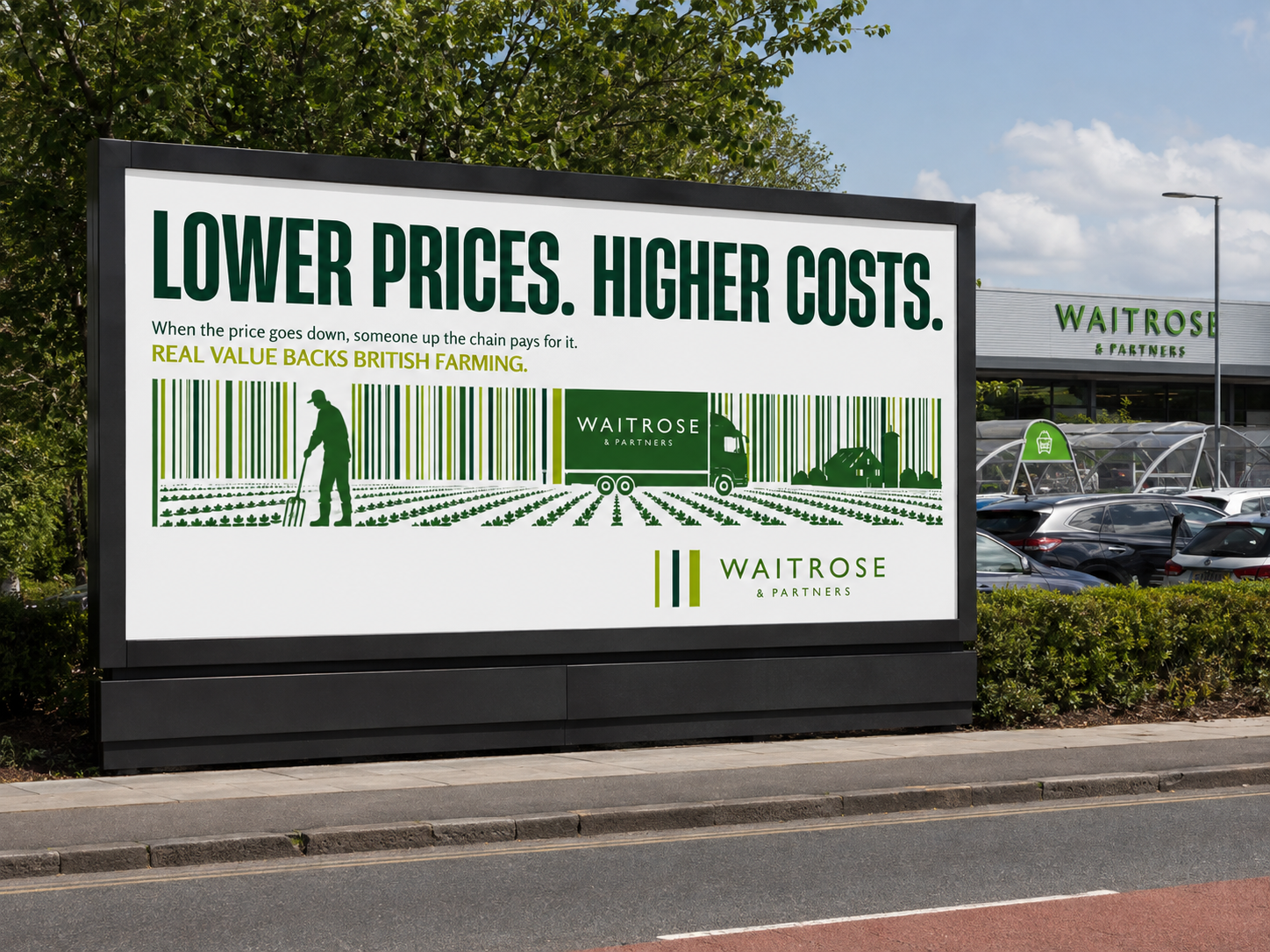
LOWER PRICES. HIGHER COSTS. A campaign that shows what sits behind the price — barcode visuals, farmers, food production and receipts — carried through outdoor posters, in-store sampling and packaging takeovers.
Little Heroes
The people behind the price, shrunk to shelf height. A set of collectable mini figures of the farmers, fishers and partners who make Waitrose cost what it costs — given away in-store and hidden in packaging takeovers.
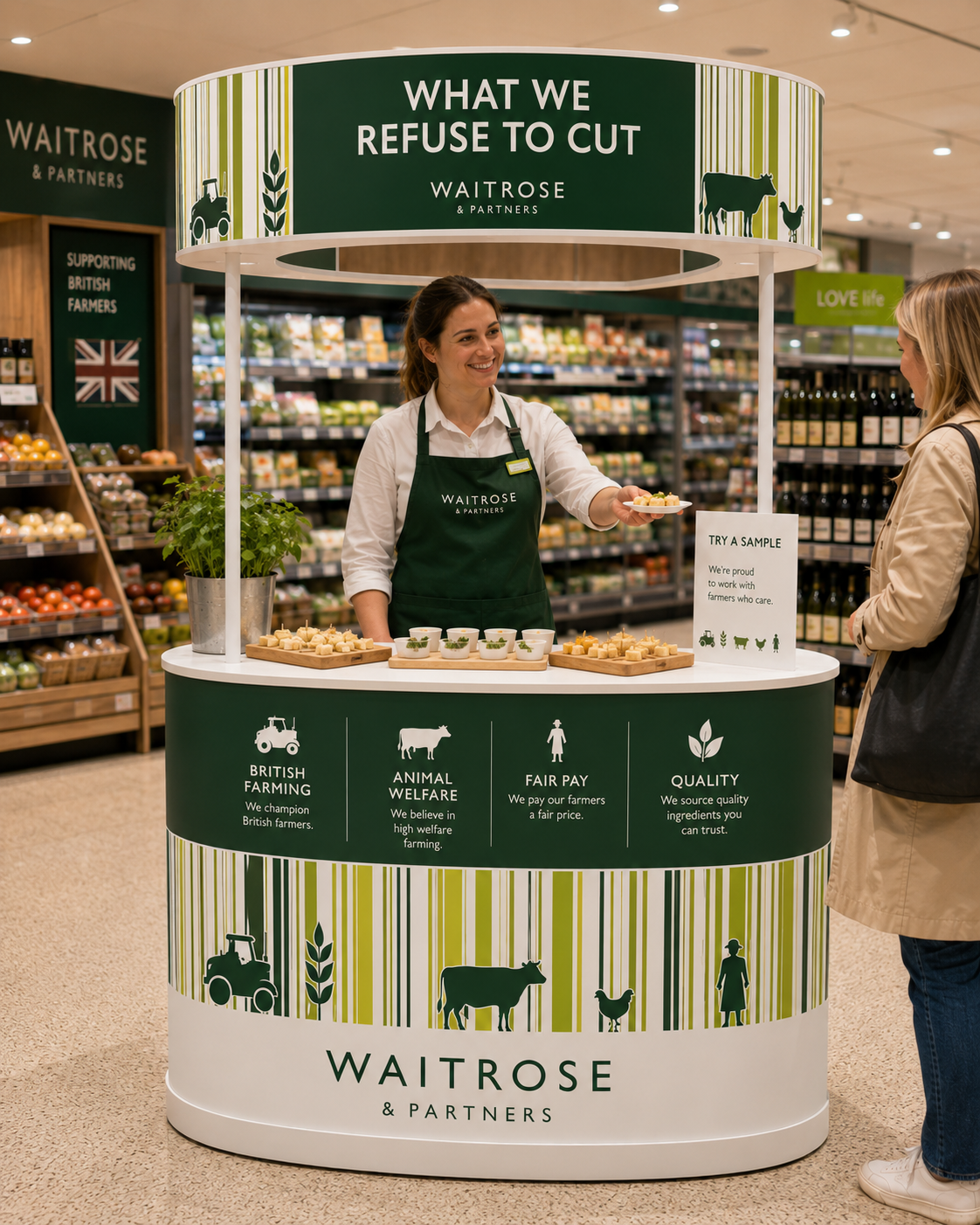
What We Refuse to Cut
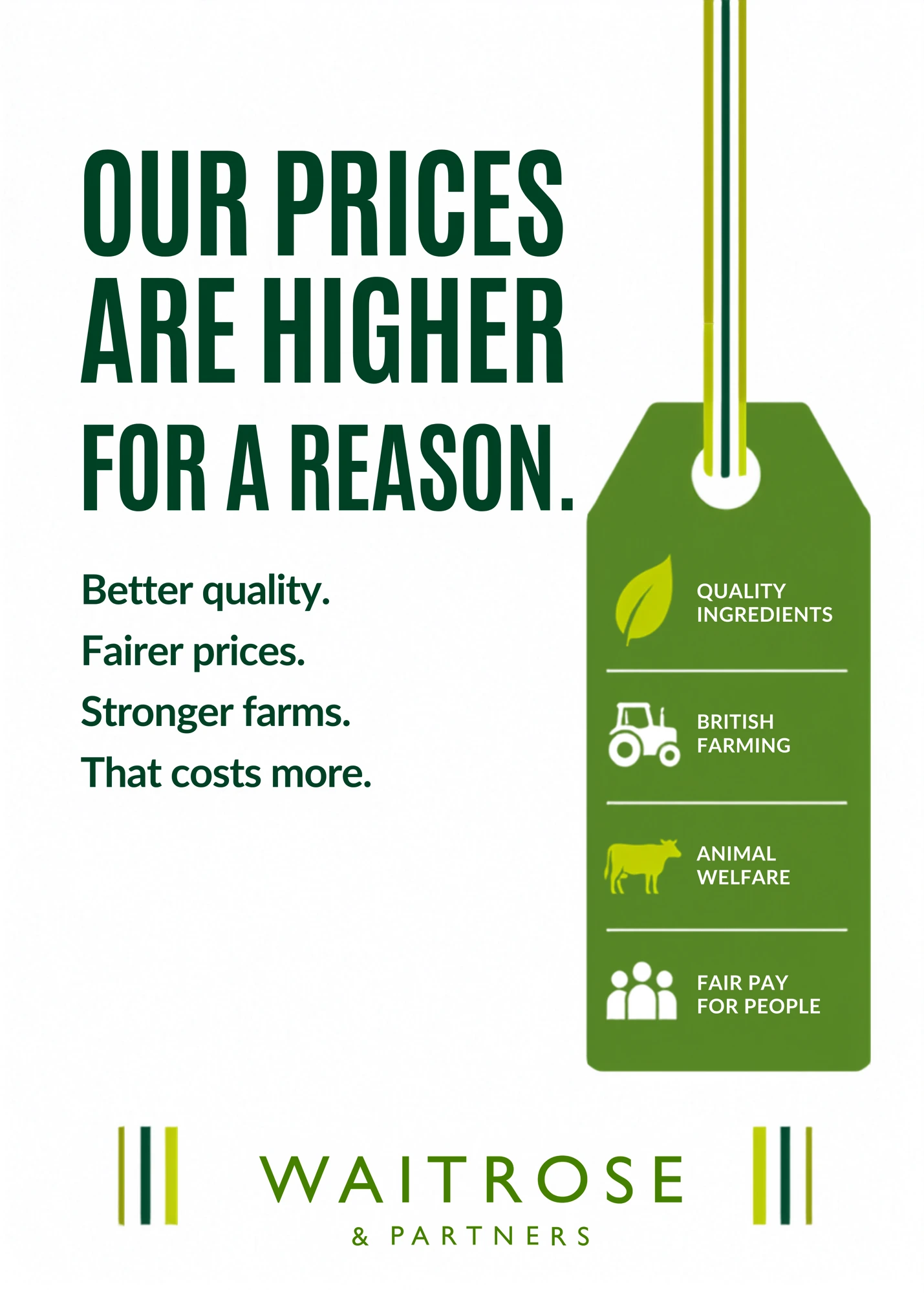
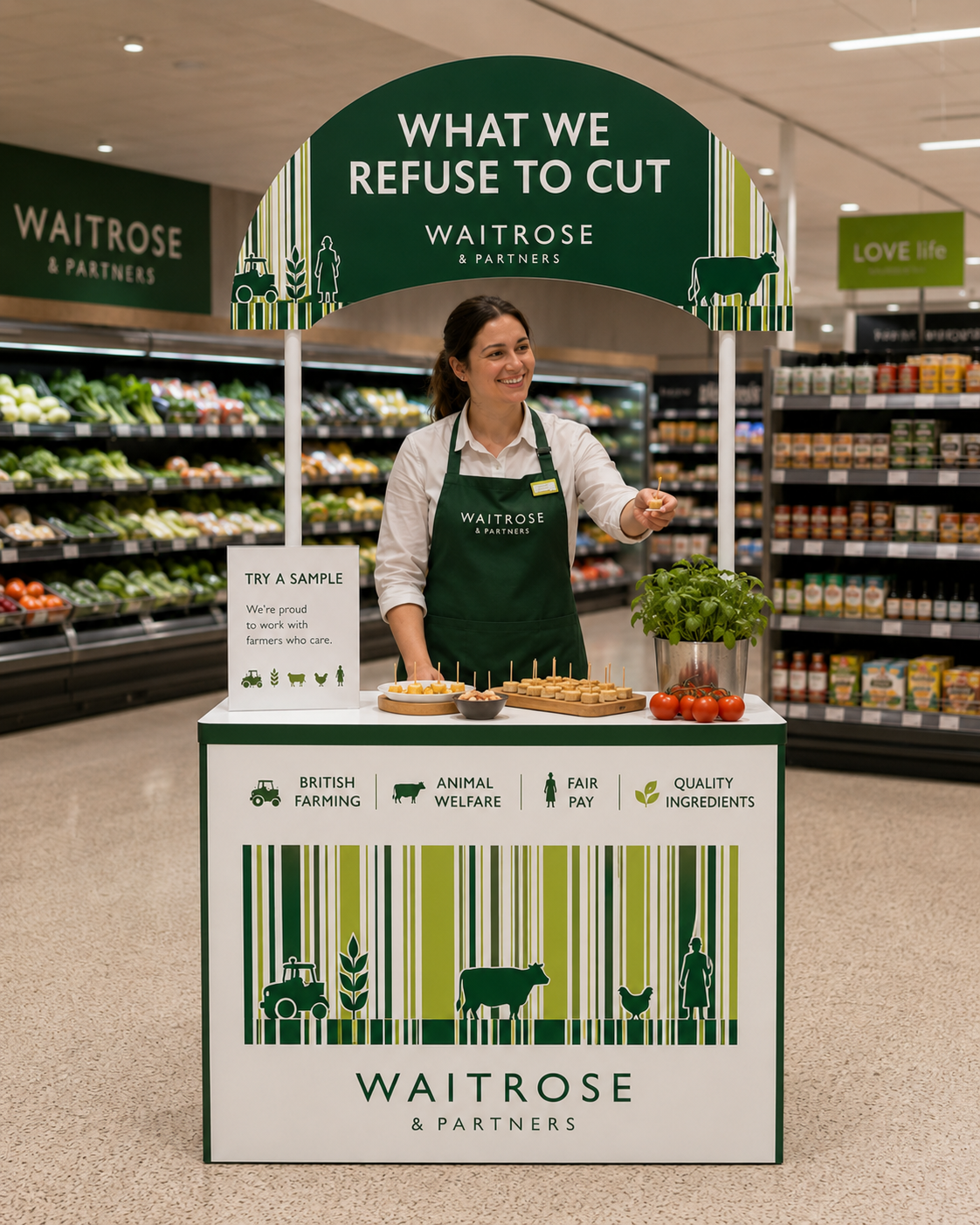
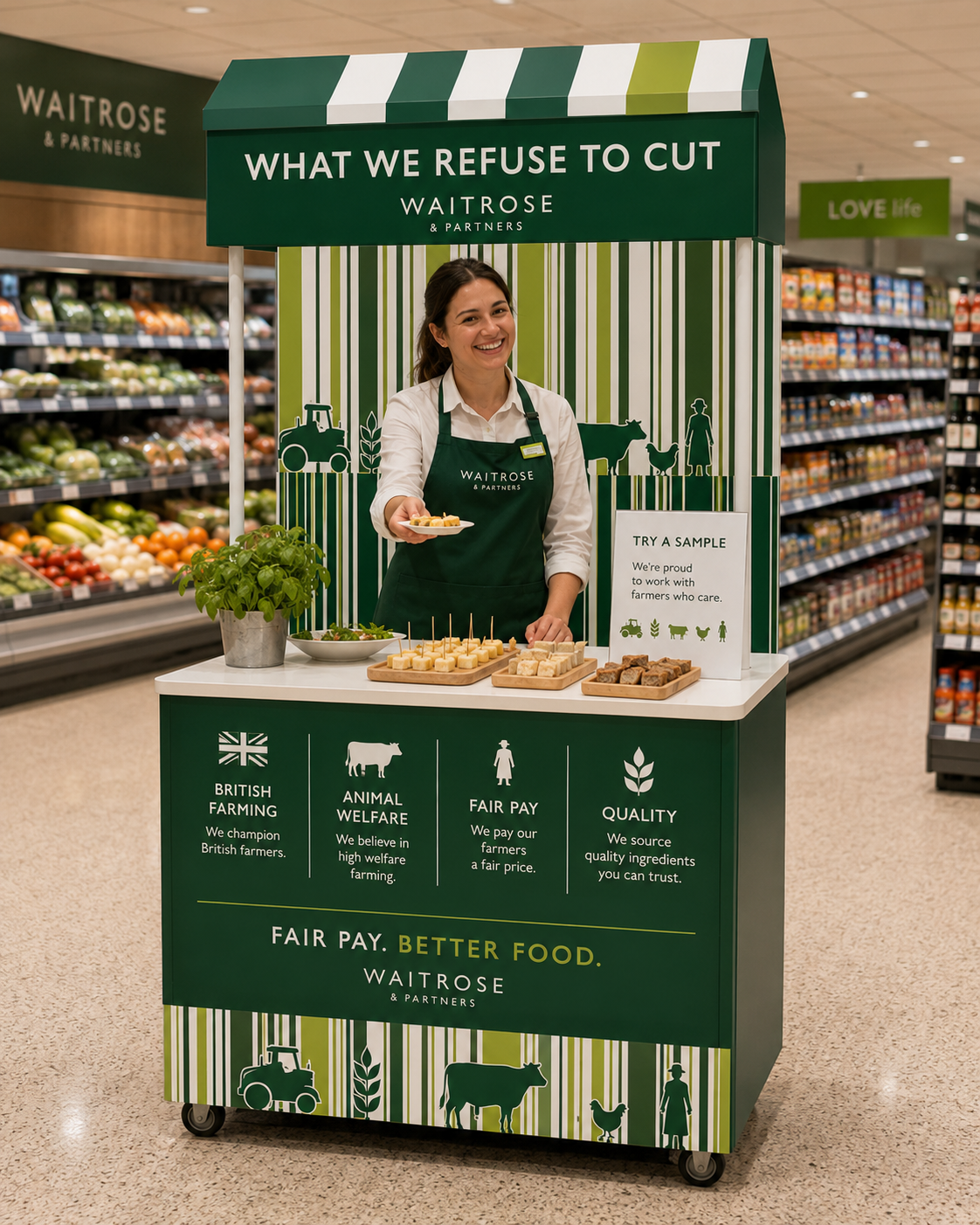
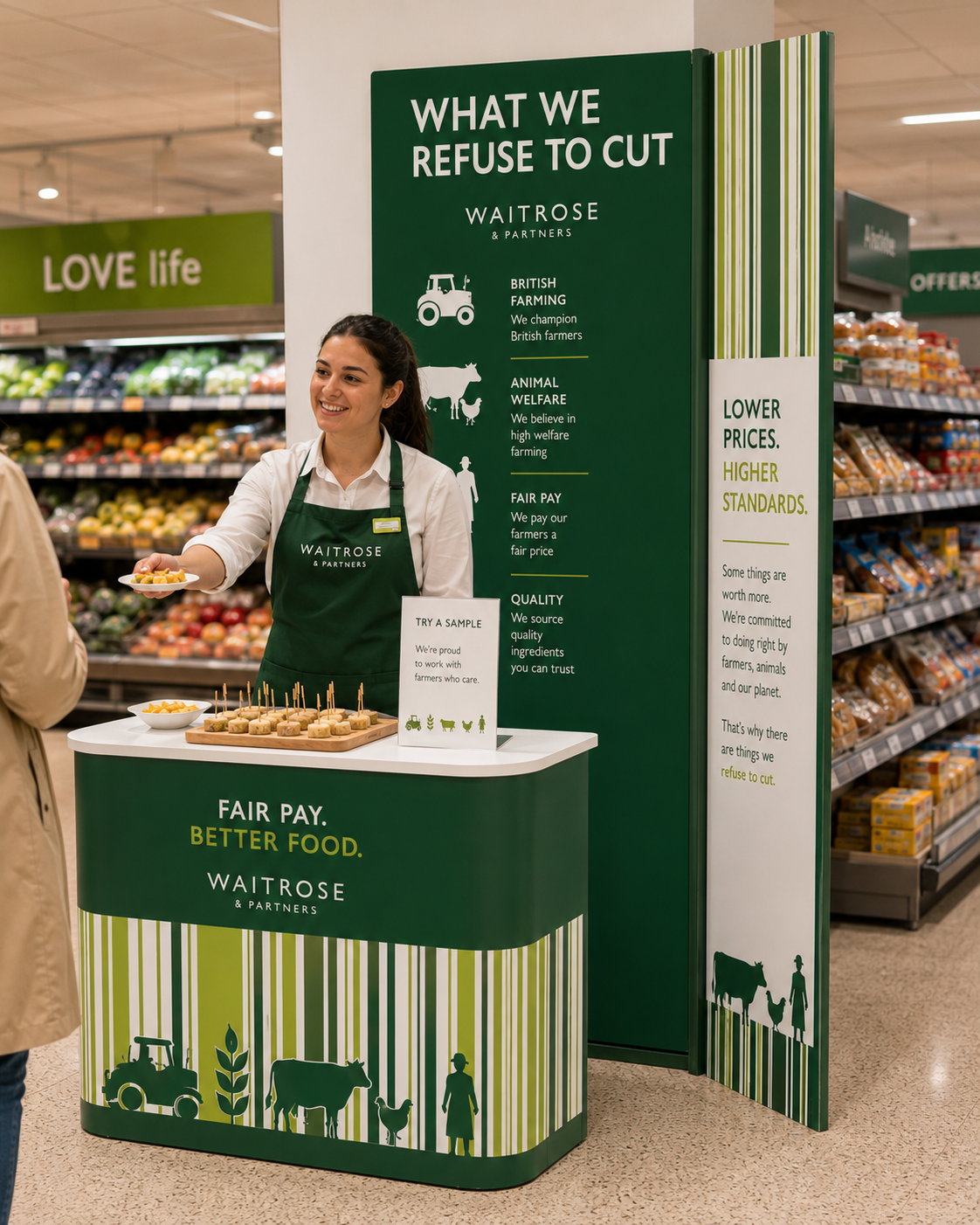
A people-sized tasting activation. Partners hand out samples of the food that fair pay and high standards make possible — under the four things Waitrose refuses to cut: British farming, animal welfare, fair pay and quality ingredients.
Barcode Takeover
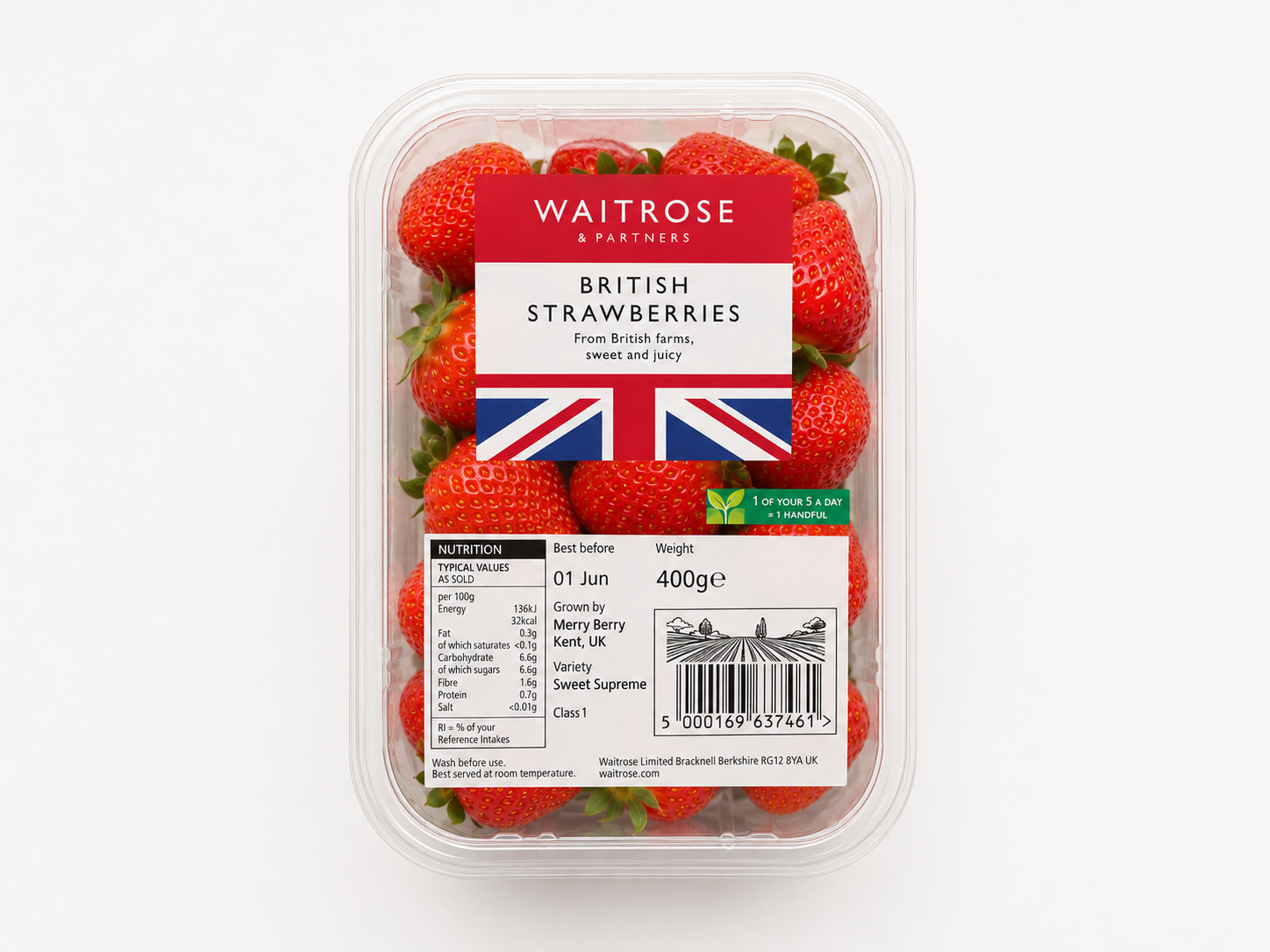
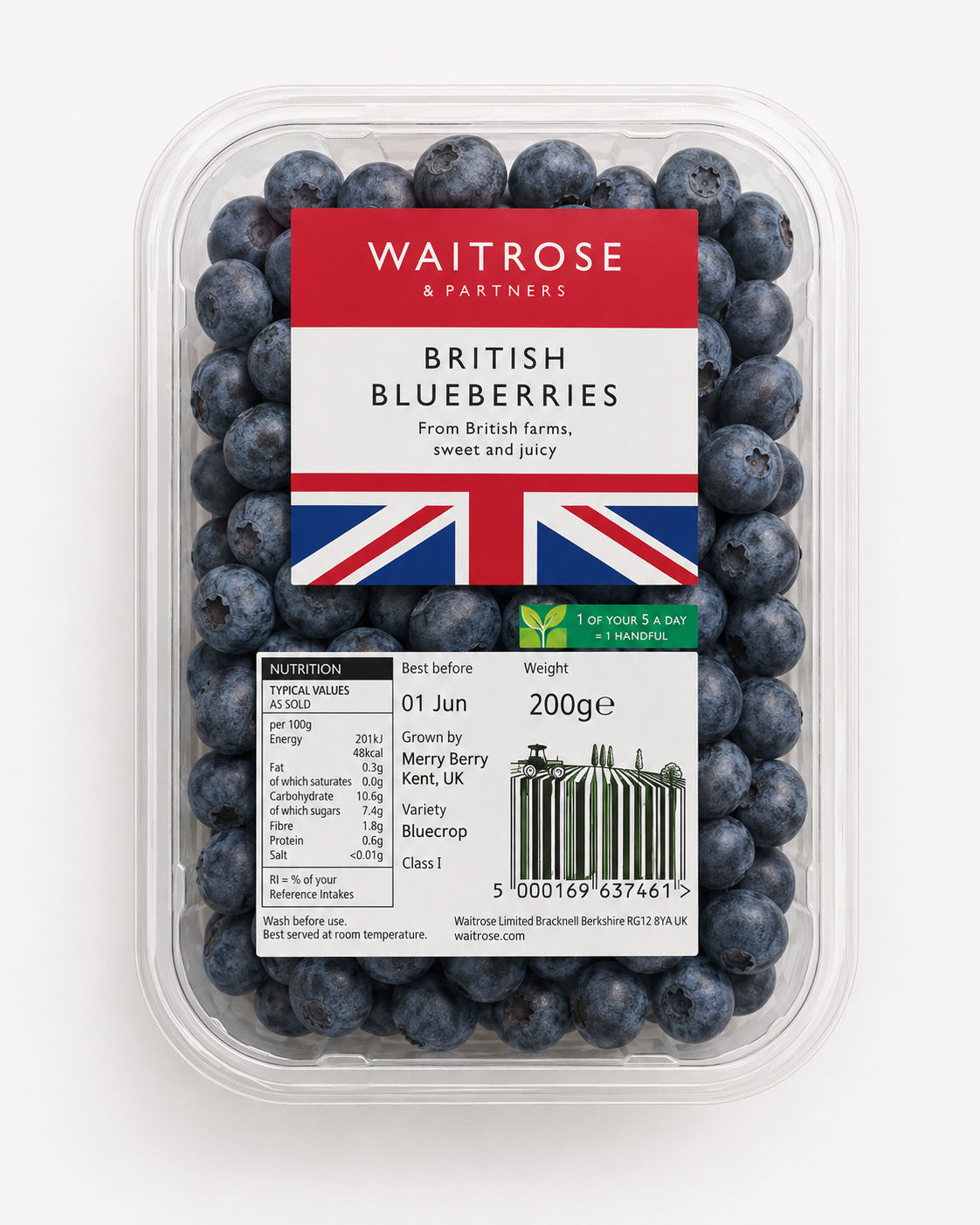
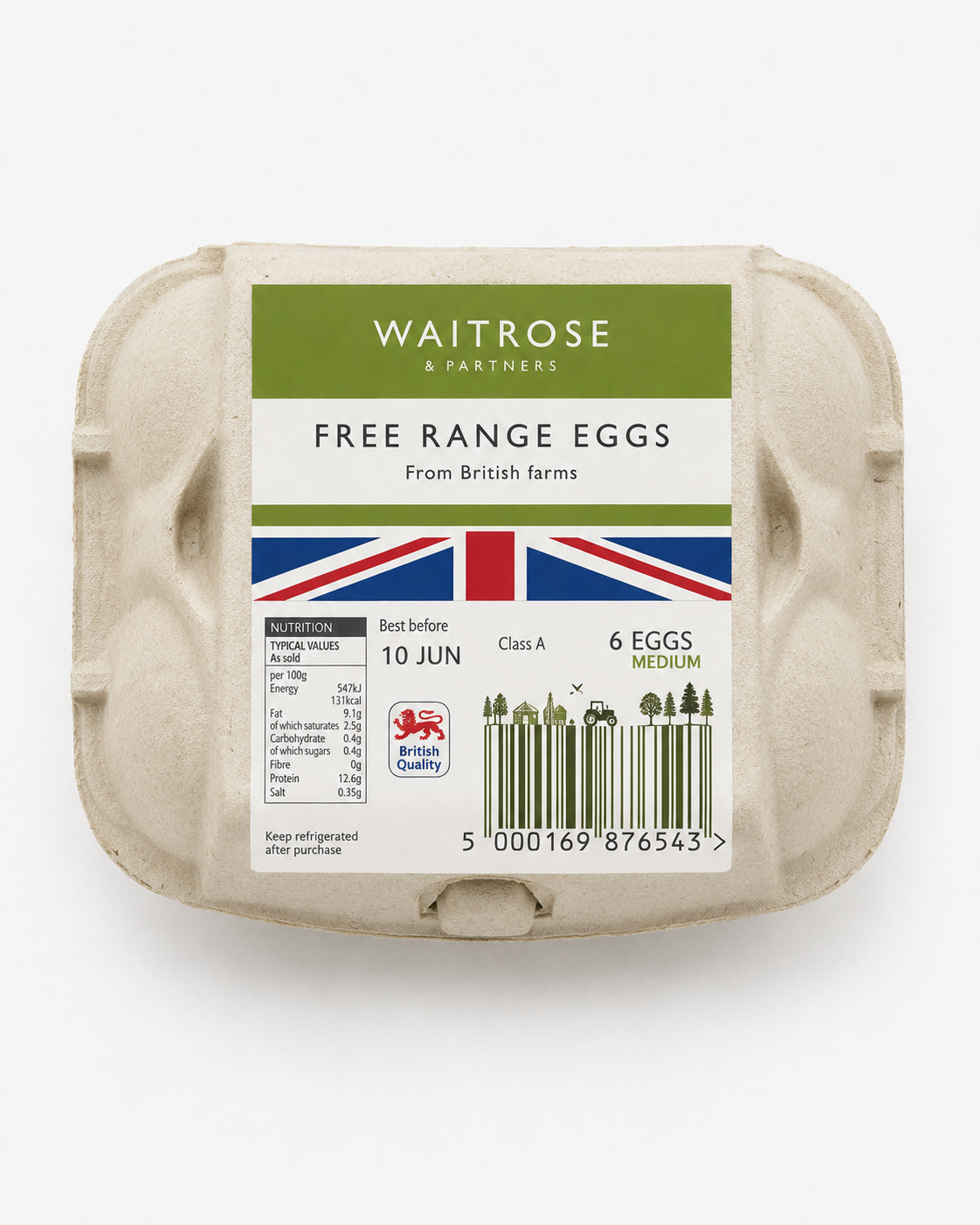
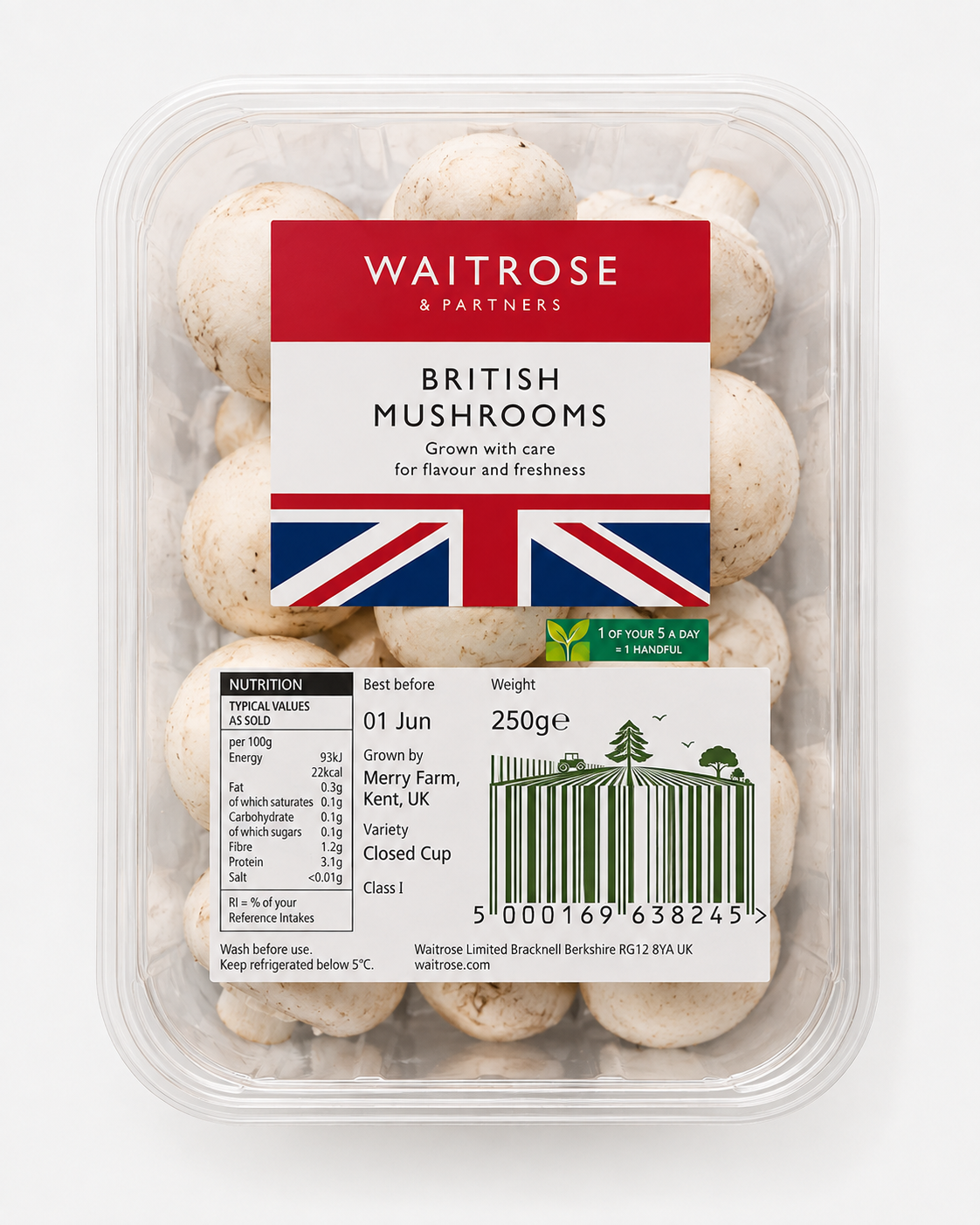
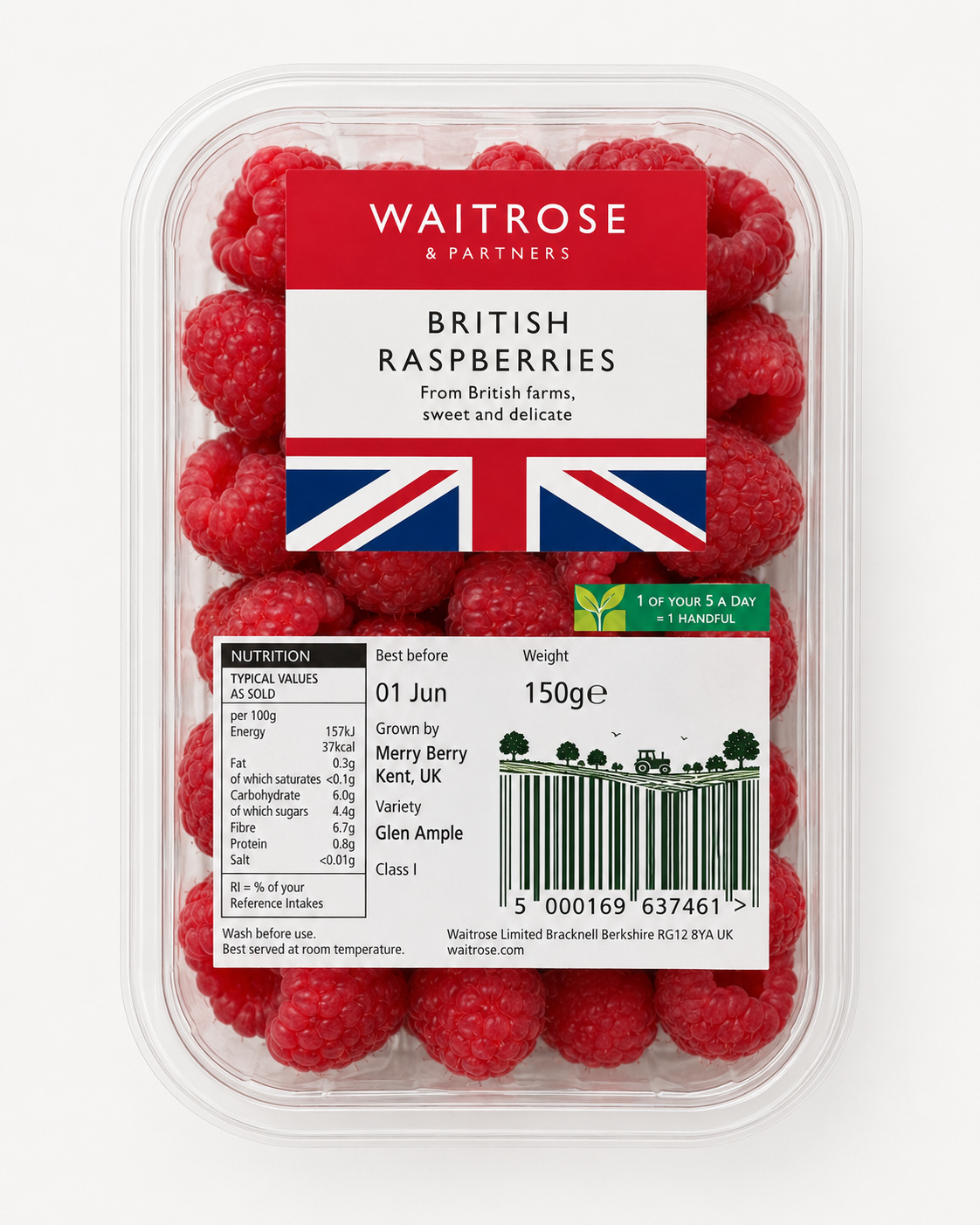
The barcode becomes the message. Own-label packaging where the lines shoppers scan at the till grow into the farms behind them — fields, tractors, hedgerows and the people who work them.
Receipt of Reasons
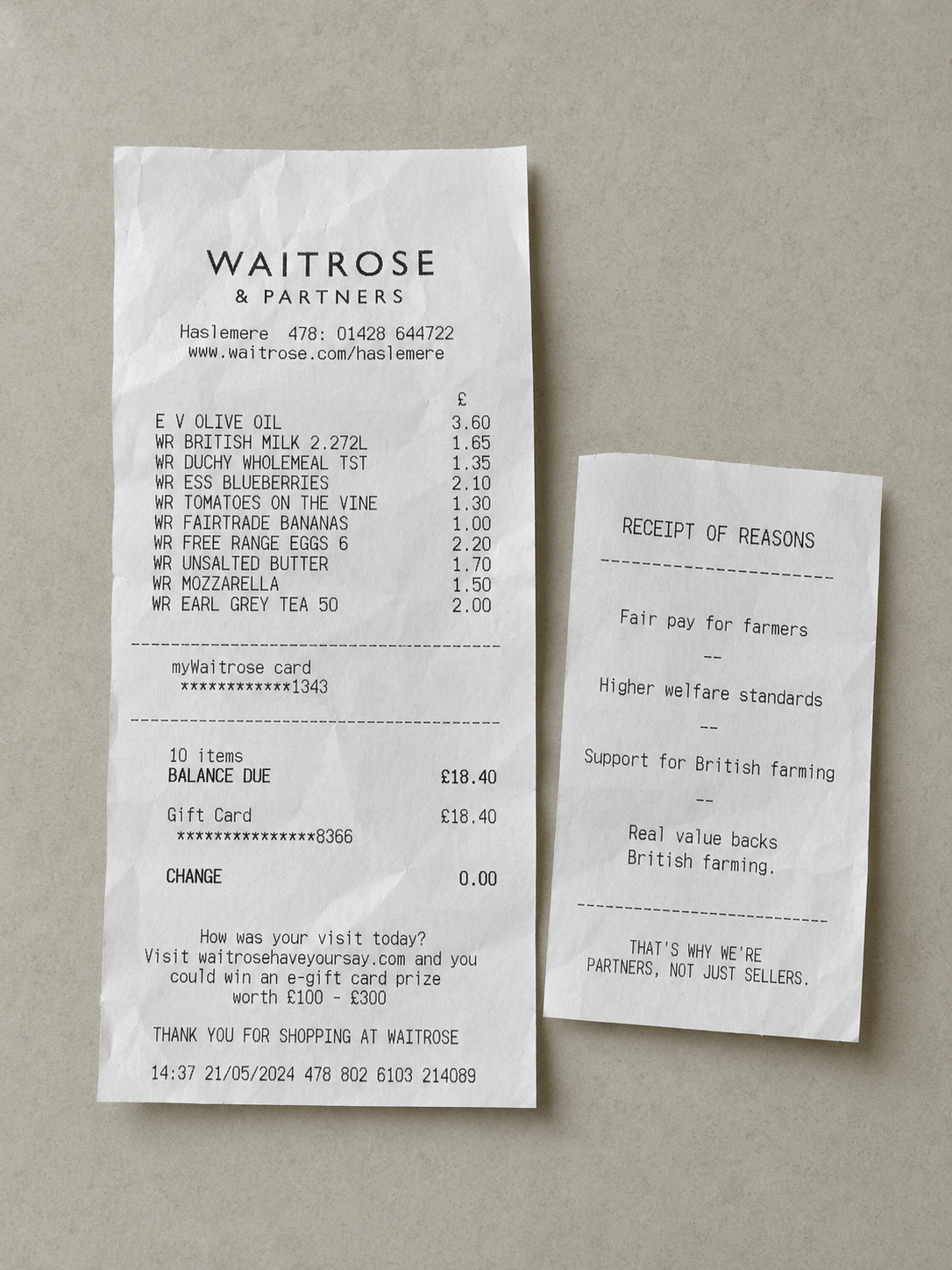
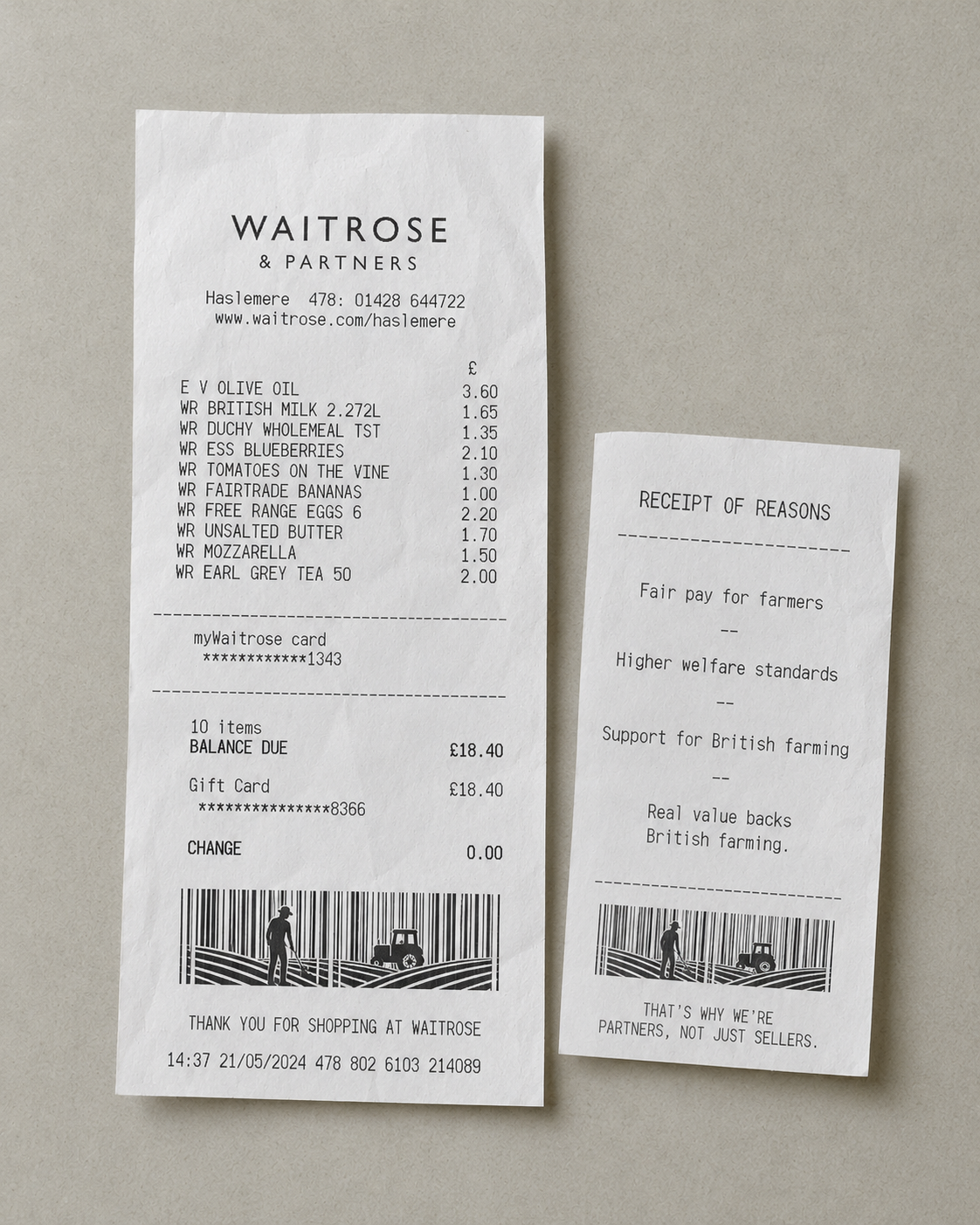
Every shop ends with two receipts. The first lists what you paid. The second — the Receipt of Reasons — lists what you paid for: fair pay for farmers, higher welfare standards and support for British farming.
Out In The Wild
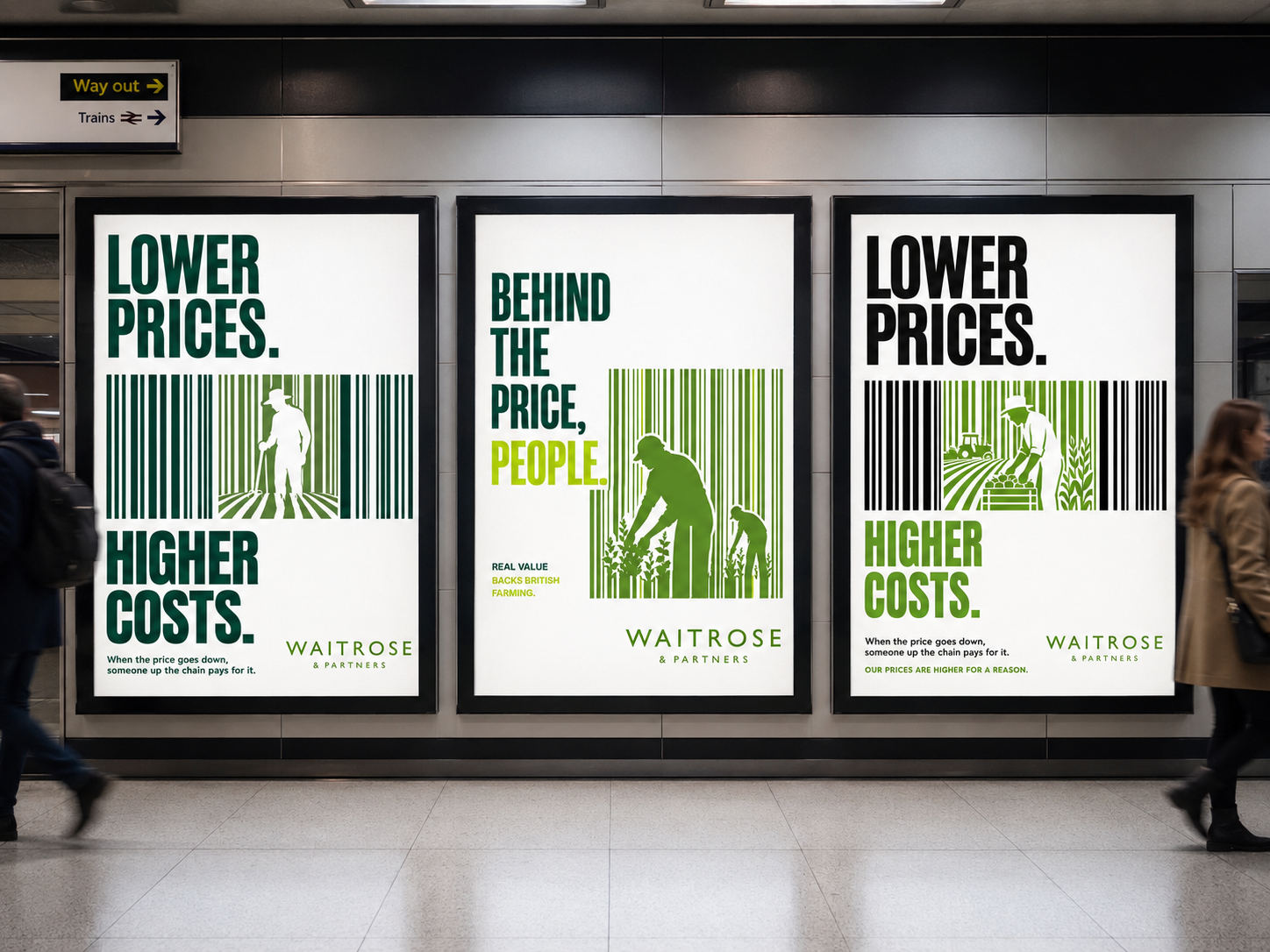
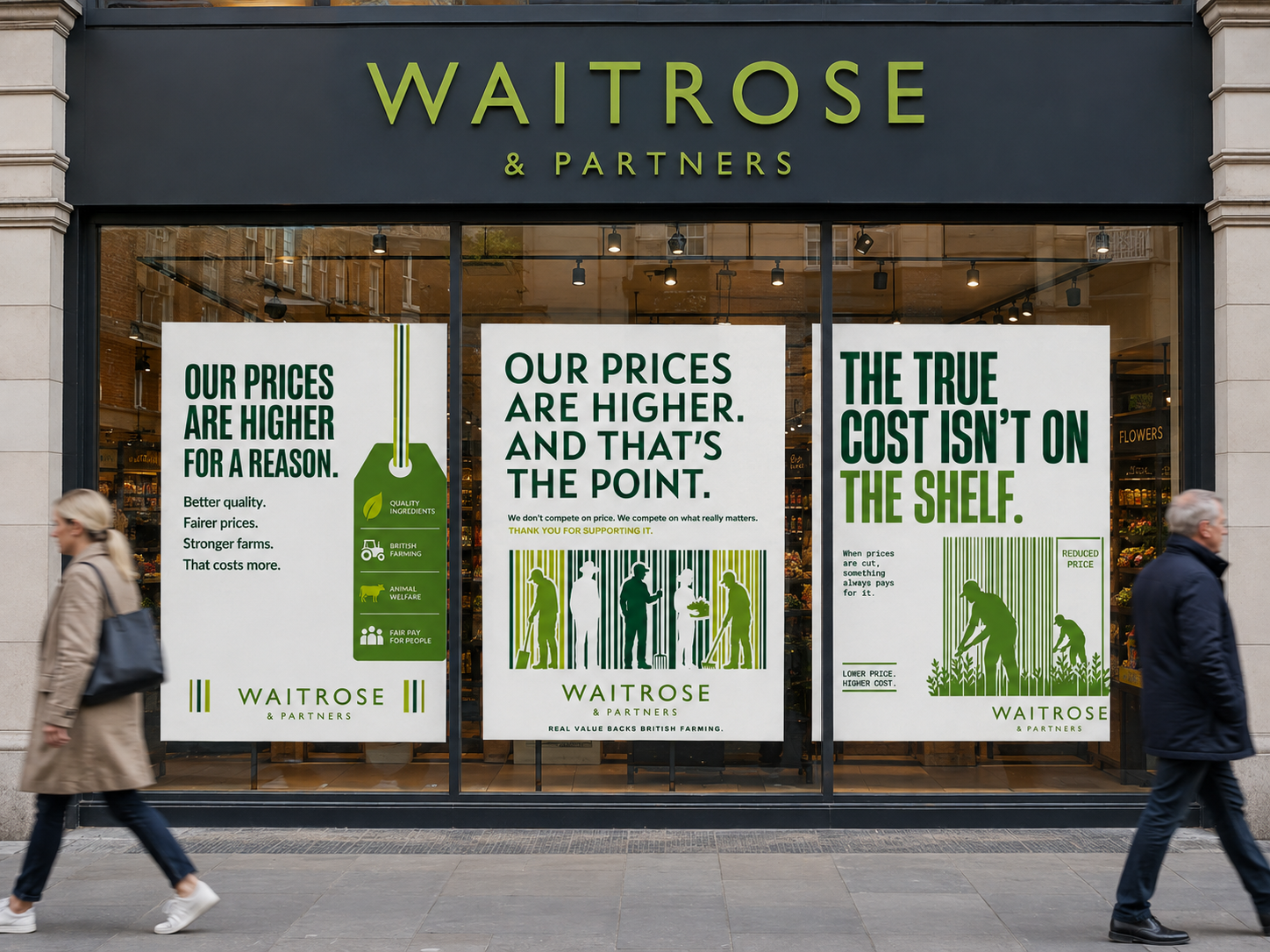
The campaign at street level — tube station corridors, storefront windows, in-store walls and roadside 48-sheets, all carrying the same line: Lower Prices. Higher Costs.
The 30-Second Spot
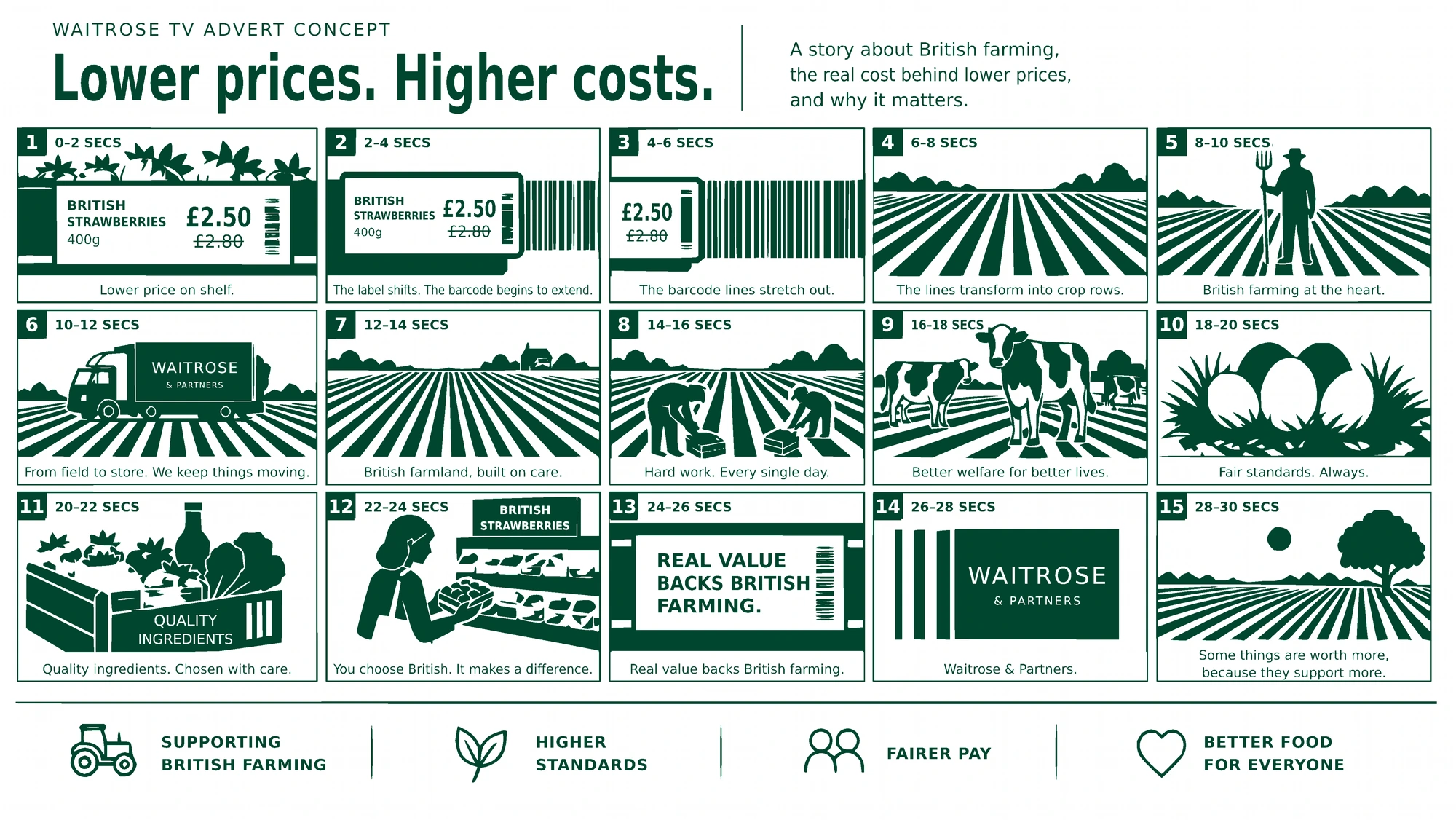
A price label drops from £2.80 to £2.50 — and the barcode stretches into crop rows, farms, herds and the people who pay for that drop. Thirty seconds from shelf to field and back, closing on the line: Real value backs British farming.